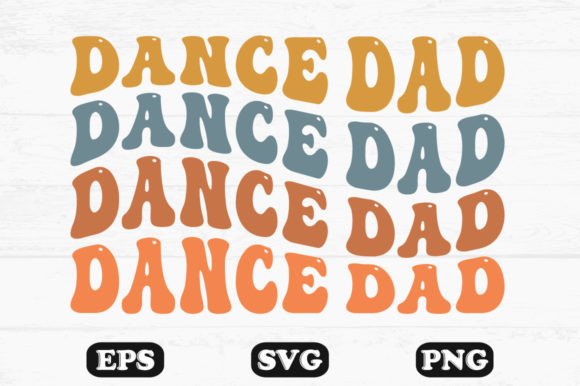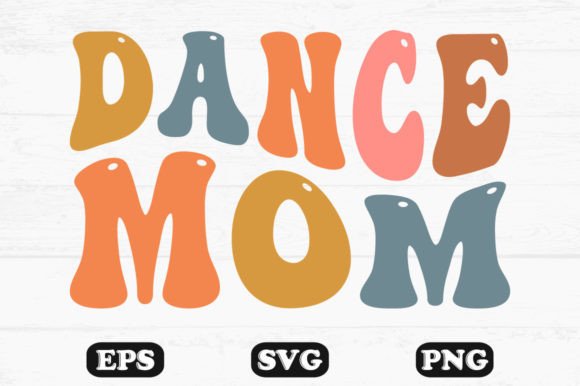
Dance Teacher Retro Wavy T-shirt Design Review
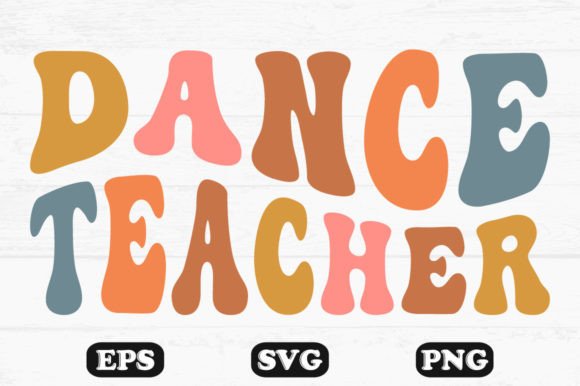
As a designer who spends more time than I care to admit staring at stitch density charts and testing thread tension, I approach every new machine embroidery design with a healthy dose of skepticism. The market is flooded with generic typography and lazy vector conversions that look terrible once they hit the hoop. However, when I first pulled up the files for the Dance Teacher Retro Wavy T-shirt Design, I paused. There is a specific rhythm to this piece—a visual sway that suggests movement without being chaotic. It feels less like a static image and more like a snapshot of a rehearsal studio in the golden hour.
I am evaluating this embroidery file not just as a digital asset, but as a potential cornerstone for a small business line or a meaningful personalized gift. If you are an Etsy seller, a craft business owner, or a hobbyist looking to create something with soul, this design warrants a closer look. Let’s break down how this Graphics category item translates from screen to fabric.
The First Impression: Mood and Visual Personality
The retro wavy aesthetic has been around for a while, but execution varies wildly. Some designs feel dated in a clunky way; others feel nostalgic and warm. This design lands squarely in the latter camp. The typography is bold yet fluid, mimicking the curves of dance floors and the flow of movement. For a Dance Teacher, this is a powerful identity marker. It speaks to grace, discipline, and joy.
From a design perspective, the layout is balanced. It doesn’t scream for attention so much as it invites you in. When I imagine this on a garment, I don’t see it as a logo slapped onto a chest; I see it as a statement piece. The wavy lines offer a natural guide for the eye, making it highly effective for custom apparel. It creates a mood that is both professional and playful—perfect for instructors who want to appear approachable yet authoritative.
Real-World Application: Where This Design Shines
In my experience, the success of an embroidery project often depends on the substrate. While the title suggests a t-shirt, limiting this embroidery project to only cotton tees would be a missed opportunity. The versatility of this design assets package allows for creative expansion across various product categories.
- Sweatshirt Embroidery: The retro vibe pairs beautifully with heavyweight fleece or French terry. A chest placement on a cream or heather grey sweatshirt gives off serious boutique energy. It feels like merchandise you’d find in a high-end dance studio lobby.
- Tote Bag Design: Canvas tote bags are a staple for dancers carrying shoes and water bottles. Stitching this retro wavy SVG style onto a sturdy canvas bag adds a layer of durability and style. The curves of the text complement the flat surface of the bag well, provided you use a cutaway stabilizer to prevent puckering.
- Personalized Gift Items: Think beyond clothing. This design works exceptionally well on aprons for the teacher who loves to cook after class, or even on kitchen towels. It makes for a thoughtful personalized gift that acknowledges their dual passions.
- Embroidered Patch: Creating a detachable patch using this design allows for flexibility. A dancer can move it between different garments, or a school can use it for uniform branding. The clean lines of the wavy text make it ideal for a bordered patch application.
For the small shop product creator, this design offers high perceived value. It looks custom-made, which justifies a higher price point than simple monograms. Customers are buying into the lifestyle and the aesthetic, not just the thread count.
Technical Considerations and Stitch Quality
No matter how beautiful a digital embroidery file looks on a monitor, its true test is under the needle. Here is what I observed regarding the technical execution.
The stitch density appears moderate, which is a relief. Many retro-style designs suffer from overly dense fill stitches that cause fabric distortion, especially on stretchy knit fabrics. If this design utilizes efficient fill stitch algorithms, it will lay flat and smooth. However, you must always check the digitizing code. Look for areas where the satin stitch might need extra columns to cover the base fabric completely, particularly if you are using dark threads on dark materials.
The running stitch details, if present in the outline or decorative elements, should be crisp. In retro designs, thin lines can sometimes disappear or merge with the background if the tension isn’t perfect. I recommend running a test on your most common fabric type before committing to a bulk production run.
Thread colors are crucial here. The retro palette usually relies on muted tones—mustard yellows, dusty pinks, olive greens, or navy blues. These colors pop against white, black, or charcoal fabrics but can get lost on mid-tone greys or browns. Always compare thread colors against your actual fabric swatches under natural lighting conditions.
Where to Use Caution
While this design is versatile, there are scenarios where it may struggle:
- Small Hoop Sizes: If the design is large relative to a 4x4 hoop, you may encounter registration issues or excessive trimming. Ensure your hoop size matches the design dimensions.
- Textured Fabrics: Avoid bouclé, heavy tweed, or loose-weave linen. The intricate wavy lines require a smooth surface to maintain clarity. On textured fabrics, the detail will get swallowed by the material.
- Stretchy Knits: While suitable for jersey knits (t-shirts), extremely stretchy fabrics like spandex blends require a strong tear-away or wash-away stabilizer to prevent the fabric from distorting during stitching.
- Curved Surfaces: Applying this to caps or hats requires careful positioning. The waves follow a horizontal flow, so curving them around a hat brim might distort the typography unless the digitizer specifically accounted for curvature.
Impact on Brand and Customer Trust
For the commercial embroidery entrepreneur, presentation is everything. A poorly stitched design screams "amateur," while a clean, well-executed one builds trust. The Dance Teacher Retro Wavy T-shirt Design has the potential to elevate your brand consistency. When customers see cohesive, stylish designs across your Etsy listings or social media printable mockups, they perceive your shop as professional and curated.
This design also enhances giftability. It’s relatable. A dance student gifting this to their mentor will feel confident that the recipient will actually wear and use the item. It’s not a novelty gag; it’s a tribute to their craft. This emotional connection drives repeat business and positive reviews.
Final Verdict and Practical Next Steps
The Dance Teacher Retro Wavy T-shirt Design is a strong contender for anyone looking to add a touch of vintage charm to their embroidery repertoire. It balances aesthetic appeal with practical usability. However, before you start producing finished products, please adhere to these final checks:
- Test on Scrap Fabric: Never skip this step. Stitch the design out on the exact fabric you plan to sell.
- Check Licensing: Confirm whether the SVG Bundle includes commercial rights for physical goods. Just because you bought the file doesn’t always mean you own the commercial license to sell items made from it.
- Inspect Small Details: Zoom in on the vector preview. Are any letters too close together? Will they merge during stitching?
- Stabilizer Choice: Match your stabilizer to the fabric weight. Heavy sweatshirts need heavy stabilizers; delicate baby clothes need light, breathable options.
If you are an apparel decorator or a creative entrepreneur ready to tap into the dance community market, this design offers a solid foundation. It’s nostalgic, stylish, and technically sound, provided you respect the nuances of embroidery craftsmanship. Treat it with care, and it will reward you with a handmade product that stands out in a crowded marketplace.