Review: Cutest Chick in Kindergarten Embroidery Design
As a designer who spends more time than I care to admit staring at stitch charts and testing thread tension, I approach every new machine embroidery design with a mix of curiosity and skepticism. It is easy for a digital file to look charming on a screen but disastrous under the needle. Today, I am evaluating the Cutest Chick in Kindergarten design to see if it holds up in real-world application. This piece falls squarely into the Graphics and Crafts categories, offering a playful aesthetic that targets parents, teachers, and those who love nursery-themed decor. But does it work as a viable asset for an Etsy seller or a boutique owner looking to create high-quality handmade products? Let’s dig into the practical details.
First Impressions and Visual Personality
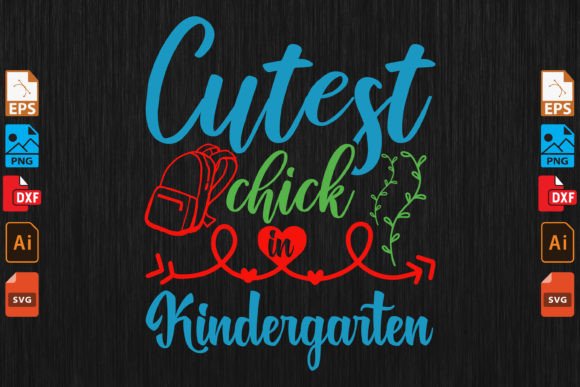
The moment you open the file for Cutest Chick in Kindergarten, the mood is immediately established: cheerful, innocent, and highly marketable. The visual personality leans heavily into the "sweet" category, which is a staple in the children’s apparel and gift market. For an embroidery designer, the initial appeal lies in its clarity. The character design is distinct enough to be recognizable even when scaled down, yet detailed enough to justify the time investment required for stitching.
What stands out is how the layout balances negative space with focal points. In my experience, designs that are too cluttered often lose definition during the stitching process, especially when executed on curved surfaces like caps or bags. This design feels structured, suggesting that the artist behind it understood the limitations of thread versus ink. It has the potential to serve as a strong centerpiece for a custom apparel item or a subtle accent on a larger garment. The theme naturally aligns with spring, Easter, back-to-school seasons, and general toddler celebrations, giving it a long shelf life for seasonal marketing campaigns.
Real-World Application: From Screen to Stitch
I recently considered using this design for a custom order involving embroidered tote bags for a local preschool teacher appreciation event. Here is how I envision Cutest Chick in Kindergarten performing in that scenario. When placed centrally on a canvas tote, the design would pop against a neutral background. However, the success of this embroidery project depends entirely on execution. If stitched with high-quality polyester threads, the chick’s features will retain their charm. If the stitch density is off, however, the fabric could pucker, ruining the professional finish that customers expect from a small shop product.
Beyond tote bags, this design is versatile. I see it working exceptionally well on:
- Baby clothes: As a chest logo on a onesie or a pocket detail on a sweatshirt.
- Nursery decor: Framed within a hoop as a standalone piece of wall art.
- Holiday gifts: Perfect for Easter baskets or baby shower presents where a personalized touch is valued.
- Aprons and kitchen towels: Adding a whimsical touch to a baker’s uniform or home kitchen.
For the commercial embroidery entrepreneur, this design offers multiple revenue streams. You can sell the finished physical goods, or if the licensing permits, offer the digital embroidery file itself to other makers. The key is positioning it correctly. It fits the narrative of a personalized gift that feels thoughtful rather than mass-produced.
Where Caution Is Required
No design is without its challenges, and Cutest Chick in Kindergarten is no exception. There are specific scenarios where this design might struggle if not handled with care. First, consider the hoop size. If you attempt to stitch this on a very small area, such as the cuff of a sleeve or a tiny patch, the fine details may merge together, resulting in a muddy appearance. Always test the scaling before committing to a final production run.
Fabric choice is equally critical. While this design looks great on stable cottons and blends, it may falter on stretchy knits or highly textured fabrics like bouclé or heavy wools. On stretchy materials, the tension needs to be perfectly calibrated to prevent distortion. Similarly, on dark fabrics, you must ensure there is sufficient contrast between the thread colors and the base material. A light-colored chick on a navy blue shirt might lack the pop needed to catch the eye, whereas the same design on white or pastel fabric will shine.
Another area to watch is the stitch density. If the design contains large areas of fill stitch, it adds weight and stiffness to the finished product. For items like tote bag design applications or lightweight shirts, excessive density can make the fabric feel rigid and uncomfortable. Conversely, if the design relies too heavily on satin stitch for outlines, ensure the underlay stitches are robust enough to hold the shape without pulling the fabric into the stabilizer.
Practical Designer Notes for Success
To get the best results from Cutest Chick in Kindergarten, follow these practical steps before you start your machine:
- Test on scrap fabric: Never jump straight into your final customer item. Stitch the design on a spare piece of the same fabric type to check for puckering, thread breaks, or color clashes.
- Check thread color contrast: View your design mockup in black and white. If the contrast is low, adjust your thread palette. High contrast ensures readability and visual impact.
- Inspect small details: Zoom in on the digital file. Are there any tiny elements that might get lost in the stitching? If so, consider simplifying the design or adjusting the scale.
- Use proper stabilizer: The right stabilizer makes the difference between a professional finish and a warped mess. For woven fabrics, cut-away stabilizers provide lasting support. For knits, tear-away or wash-away options might be preferable depending on the desired hand-feel.
- Confirm licensing: Before selling any finished product or listing the file as a design asset, verify the commercial use rights. This is crucial for protecting your crafter business from legal issues.
Final Verdict
Cutest Chick in Kindergarten is a solid addition to any embroiderer’s library, particularly for those focusing on the children’s market or seasonal gifts. Its charm is undeniable, and its versatility allows it to be adapted for various embroidery project types, from apparel decorators creating custom lines to hobbyists making unique keepsakes. By paying attention to fabric selection, stabilizer usage, and stitch quality, you can transform this digital graphic into a tangible, high-value item that customers will love. It is not just a cute image; it is a functional tool for building brand trust and engagement through quality craftsmanship. Just remember to always prioritize precision over speed, and your handmade product will reflect the professionalism your brand deserves.