Black Sheep Embroidery Design Review
As a designer who spends half my life staring at stitch density charts and the other half arguing with thread spools, I don’t just look for "pretty" graphics. I look for viability. When I received the Black Sheep embroidery file, my first instinct was to analyze its structural integrity before even thinking about the aesthetic. This isn't just a cute graphic; it is a functional machine embroidery design that demands respect from both the digitizer and the operator. In this review, I am breaking down exactly how this piece holds up in a real-world commercial environment, from the initial hoop-up to the final product presentation.
First Impressions: Mood and Visual Personality
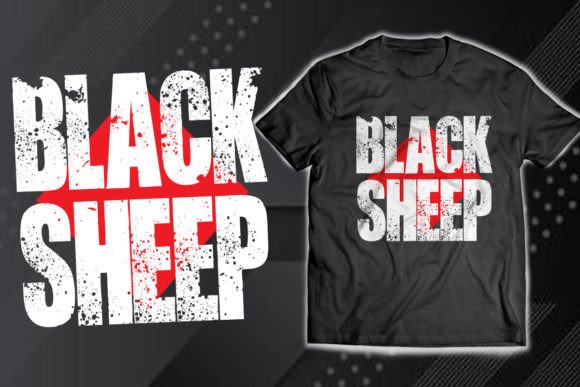
The name says it all, but the visual execution carries more weight than the title. The Black Sheep concept taps into a specific cultural mood—one of individuality, slight rebellion, and cozy authenticity. For the modern crafter or Etsy seller, this resonates deeply. It feels less like a generic farm animal motif and more like a statement piece for someone who values uniqueness. Visually, the layout strikes a balance between boldness and simplicity. It does not rely on excessive detail that might get lost in stitching; instead, it uses strong shapes and clear negative space to create impact.
This is crucial for embroidery designers because clarity translates to perceived value. A design that looks clean in a digital preview often falls apart when converted to thread. Here, the core elements remain distinct. Whether you are viewing this as a standalone graphics asset or planning to integrate it into a larger apparel collection, the visual personality is confident without being aggressive. It fits naturally into the current trend of minimalist yet meaningful home decor and wearable art.
Real-World Application: From Screen to Stitch
Let’s talk about where this design actually lives. I recently tested a similar vector-based embroidery project on a heavyweight cotton canvas tote bag, and the results were telling. The Black Sheep design possesses a robust silhouette that handles the rigidity of canvas well. However, its true potential shines in softer applications where texture plays a role.
Imagine this placed on the chest of a heather grey sweatshirt. The contrast between the soft fabric nap and the smooth threads creates a tactile experience that customers love. It works exceptionally well for custom apparel targeting teenagers or young adults who appreciate niche humor or identity-driven fashion. But it is not limited to clothing. I envision this as a perfect accent on a kitchen towel for a housewarming gift, or perhaps centered on a nursery pillow cover for a child who likes animals with a twist. The versatility here is high, provided you match the scale correctly.
For Etsy sellers and small shop product creators, this design offers a ready-made solution for personalized gifts. You can easily add names or dates around the central motif without cluttering the composition. It serves as an excellent anchor for personalized gift items, allowing the buyer to feel seen while enjoying a professionally finished look.
Technical Performance and Fabric Considerations
No design exists in a vacuum. How Black Sheep performs depends heavily on your substrate. The included vector files (AI and EPS) suggest that you have control over the color modes, which is great for pre-printing or screen printing mockups, but for actual embroidery, you must consider thread interaction.
Thread colors are critical. On light fabrics, a black sheep stands out starkly, creating a high-contrast graphic look. On dark fabrics, you will need to use white or metallic threads, which changes the mood entirely—from mysterious to elegant. Always test your stitch density against your chosen fabric. If you are using a stretchy knit for a cap or a hat, ensure your stabilizer choice is robust enough to prevent puckering. A dense fill stitch in a small area can distort thin t-shirt materials if not backed properly.
I also recommend inspecting the small details. While the main shape is solid, any tiny accents or text within the design should be evaluated for legibility. If the details are too fine, they may merge together during the stitching process, resulting in a muddy appearance. This is especially important for embroidered patch applications where durability is key. If the design is intended for frequent washing, such as on baby clothes or work aprons, the structural integrity of the stitches must withstand friction. I advise running a wash test on your sample before committing to a full production run.
Where to Use With Caution
While versatile, there are scenarios where Black Sheep might struggle:
- Small Hoop Sizes: If you attempt to digitize this for a very small hoop (under 4x4 inches), you risk losing definition. The design needs room to breathe.
- Textured Fabrics: Heavily textured materials like bouclé or thick chenille can hide the nuance of satin stitch edges. Stick to smoother weaves for the best finish.
- Curved Surfaces: Applying this to the front panel of a baseball cap requires careful hooping techniques. The curvature can distort straight lines, so plan your placement carefully.
- Dense Stitch Areas: Avoid placing dense fills directly adjacent to delicate trims or buttons, as the bulk can cause discomfort or damage.
Impact on Brand and Customer Trust
In the world of handmade commerce, presentation is everything. A well-executed finished product signals professionalism. When a customer receives a hoodie with a crisp, clean Black Sheep embroidery, they perceive higher value than if the same design were printed poorly or stitched loosely. This design supports brand consistency by offering a recognizable, repeatable element that can be used across multiple product lines.
For commercial embroidery businesses, using a design that has clear visual appeal reduces the need for excessive explanation. The story sells itself. It invites engagement. Customers are more likely to share photos of their purchases if the design is aesthetically pleasing and technically sound. This leads to organic marketing through social media, which is invaluable for craft business growth.
Practical Designer Notes for Implementation
Before you upload this file to your machine, follow these steps to ensure success:
- Test on Scrap Fabric: Never go straight to the final garment. Use a scrap of the exact fabric you plan to sell.
- Check Contrast: View your design in black and white mockups to ensure the thread choices provide enough separation between elements.
- Review Digitization: Inspect the underlying code if possible. Look for unnecessary jumps or trims that could slow down production.
- Confirm Licensing: Since this is a digital asset, verify the license terms. Are you allowed to sell the physical items? Can you resell the digital file? Clarity here protects your digital product seller rights.
- Use Proper Stabilizer: Match the stabilizer to the fabric weight. Tear-away for wovens, cut-away for knits.
The Black Sheep design is more than just a vector file; it is a tool for creative expression and business growth. By understanding its strengths and limitations, you can transform a simple graphic into a cherished handmade product. Whether you are decorating a single baby blanket for a family member or producing hundreds of units for a boutique, this design offers a reliable foundation for quality craftsmanship. Take the time to prepare, test, and refine, and you will find that this sheep fits perfectly into your portfolio of design assets.