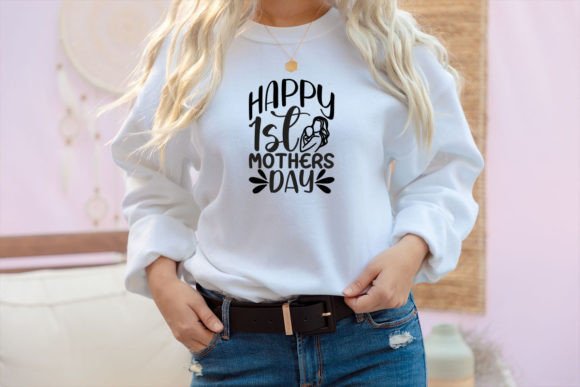
Happy 1st Mothers Day Embroidery Review
As a designer who spends half my life staring at stitch density charts and the other half trying to make handmade products look professional on Etsy, I don’t just buy digital files; I stress-test them. When Happy 1st Mothers Day landed in my inbox, I didn’t immediately think about sales. I thought about the mess. I thought about thread breaks. I thought about whether a first-time mom would actually wear a shirt with a design that feels dated or cheap after one wash.
This review isn’t about telling you to buy it because it’s trending. It’s about evaluating Happy 1st Mothers Day as a practical tool for your embroidery machine, your craft business, and your creative workflow. Whether you are an experienced digitizer or a hobbyist maker looking to add value to your T-Shirt Designs and Graphics library, here is how this design holds up in the real world.
The First Impression: Mood and Visual Personality
The moment you open the file preview, the mood is clear. This isn’t a minimalist, high-fashion abstract piece. It is warm, celebratory, and undeniably sentimental. The "first" aspect of the design carries weight. In the world of personalized gift items, the word "first" triggers an emotional response that generic holiday designs simply cannot match. Parents are often overwhelmed by the chaos of their first year with a newborn, and a design that acknowledges that milestone with grace can be incredibly powerful.
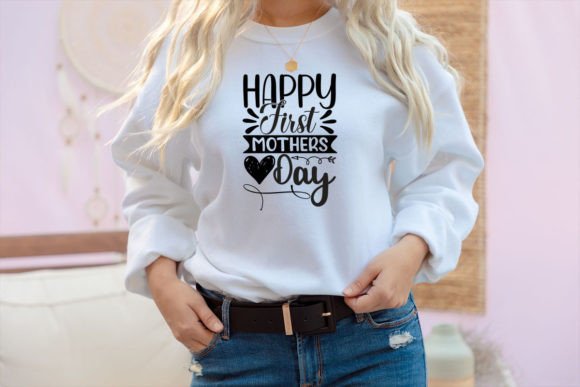
Visually, the layout balances text and graphic elements in a way that suggests readability. For an embroidery project, legibility is king. If the quote is buried under too many decorative accents, it fails. From what I can see in the provided assets, the typography has enough breathing room to survive the conversion from vector to stitches. The graphics appear eye-catching without being cluttered, which is a delicate balance to strike. It feels like a design meant to be worn proudly, not hidden away.
Real-World Application: Where Does It Shine?
I put myself in the shoes of a small business owner preparing inventory for the spring season. Here is where Happy 1st Mothers Day naturally fits into a product line:
- Custom Apparel: This is the obvious winner. A soft, heather gray t-shirt or a cozy sweatshirt becomes a keepsake. The design works well centered on the chest or slightly off-center for a more modern, boutique feel. It transforms a basic garment into a custom apparel item that commands a higher price point.
- Baby Keepsakes: Think onesies, burp cloths, or small muslin blankets. The scale of the design needs to be adjusted carefully here, but the sentiment translates perfectly to baby embroidery. Parents love documenting these early milestones, and a professionally stitched piece adds a layer of permanence to fleeting memories.
- Home Decor and Gifts: Don’t overlook kitchen towels, tea towels, or pillow covers. A holiday embroidery design like this brings warmth to a home. Imagine a mother receiving a set of embroidered tea towels with this motif during a baby shower or Mother’s Day brunch. It feels personal, useful, and thoughtful.
- Etsy Seller Inventory: For the Etsy seller or craft business owner, this design is versatile. It can be used to create printable mockups for digital listings, allowing you to show customers exactly how the final finished product will look before they commit to buying.
The Technical Reality Check: Stitching and Fabric
Here is where the rubber meets the road. A beautiful PNG doesn’t always translate to a clean stitch-out. When evaluating Happy 1st Mothers Day, we have to talk about execution.
Stitch Density and Clarity: The design relies on a mix of text and graphics. You need to ensure that the stitch density is appropriate for the fabric you are using. If the fill stitch areas are too dense, you risk puckering, especially on lightweight cottons. Conversely, if the satin stitches around letters are too narrow, they may look thin and fragile on thicker fabrics like fleece or denim. Always check the underlying structure of the embroidery file.
Fabric Texture and Color Contrast: The effectiveness of this design hinges on contrast. On dark fabrics, you will need bright, high-contrast thread colors to make the white or light elements pop. On light fabrics, darker threads provide definition. Be wary of textured fabrics like bouclé or heavy tweed; the intricate details of the graphic might get lost in the weave. For best results, stick to smooth, stable fabrics like jersey, cotton blends, or canvas for tote bag design applications.
Hoop Size and Stability: Before committing to a large production run, test the hoop size compatibility. Ensure the design fits comfortably within your machine’s standard hoops without requiring excessive trimming. Use a proper stabilizer—cut-away for stretchy knits and tear-away for wovens—to prevent distortion. This is non-negotiable for maintaining the professionalism of your handmade product.
Where to Exercise Caution
Not every surface is created equal. There are specific scenarios where Happy 1st Mothers Day might struggle:
- Small Hoop Sizes: If you are working on tiny items like socks or very small patches, the detail level might become muddy. Inspect the small details closely when downsizing.
- Curved Surfaces: Applying this to caps or hats requires careful placement. Curved surfaces can distort straight lines in text, so you may need to adjust the digitization or use a specialized cap frame.
- Dense Stitch Areas: Avoid placing dense fill stitches over seams or zippers, as this can cause needle breakage or uneven stitching.
- Frequent Washing: If the end user plans to wash the item frequently (like a kitchen towel), ensure the thread quality is high-grade polyester or rayon to prevent fading or fraying over time.
Design Notes for the Smart Maker
To get the most out of this asset, follow these practical steps before you start stitching or selling:
- Test on Scrap Fabric: Never assume a design will work perfectly. Stitch it out on the exact fabric type you plan to sell. Check for thread breaks, tension issues, and color accuracy.
- Review Thread Colors: Compare different thread colors against your fabric swatches. What looks good on screen might look dull in person. Use black and white mockups to check contrast levels.
- Inspect Small Details: Zoom in on the digital preview. Are there any tiny elements that might not render well in thread? Simplify if necessary.
- Confirm Licensing: This is critical for commercial embroidery projects. Verify that you have the right to sell finished goods made from this design. Different licenses apply to personal use versus digital product sellers creating derivative assets.
- Create Mockups: Use the included AI, PNG, JPG, EPS, and PDF files to create realistic design assets for your marketing. Show the design on different garments to help customers visualize the finished product.
Final Verdict: Is It Worth Your Time?
Happy 1st Mothers Day is a solid addition to any designer’s toolkit. It strikes a balance between emotional resonance and visual clarity. It is not overly complex, which makes it accessible to a wide range of skill levels, yet it has enough detail to look premium.
For the small shop product creator, it offers a ready-made solution for a high-demand holiday. For the creative entrepreneur, it provides a flexible base that can be adapted for various embroidery project types, from embroidered patch collections to sweatshirt embroidery lines. Just remember that the magic happens in the execution. Pay attention to your stabilizers, choose your threads wisely, and always prioritize the customer experience.
If you are looking to add a touch of warmth and professionalism to your spring collection, this design deserves a spot in your rotation. It’s practical, it’s poignant, and when stitched correctly, it’s genuinely beautiful.